


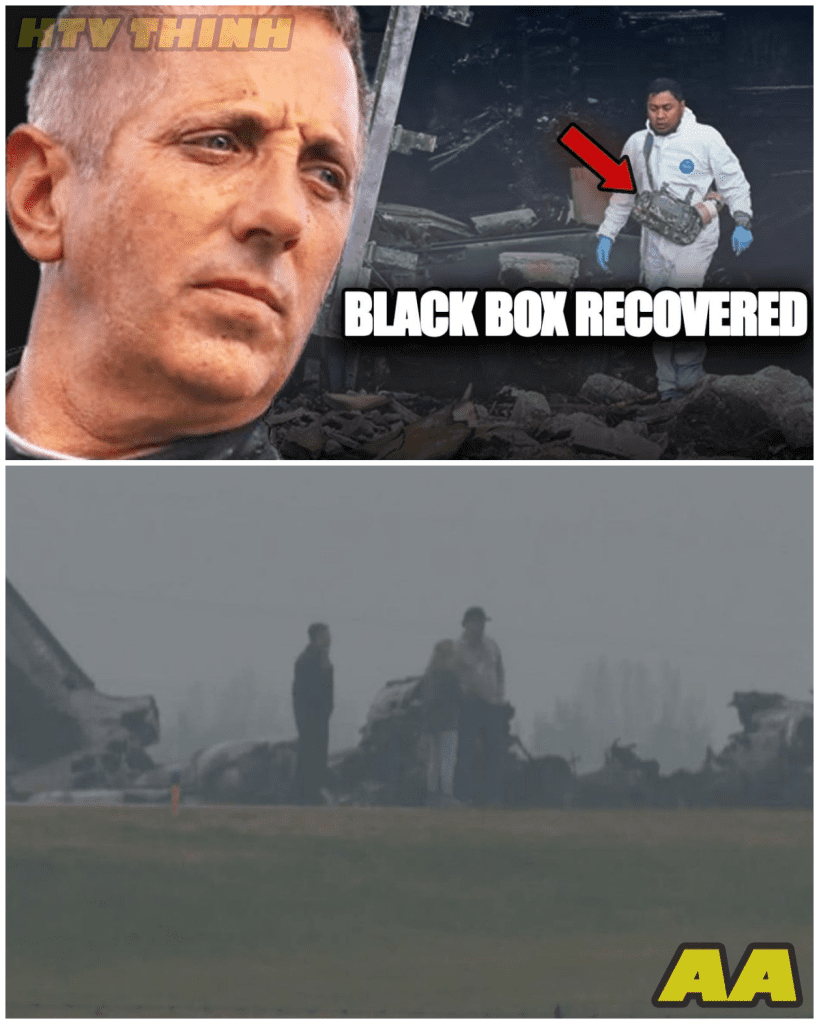
Greg Biffle Crash Update: The Black Box Discovery That Could Rewrite Everything
The investigation into the tragic crash involving NASCAR legend Greg Biffle has taken a significant turn with the recent recovery of the aircraft’s cockpit voice recorder.
This crucial piece of evidence promises to reveal the final moments inside the cockpit—capturing conversations, decisions, and possibly the confusion that preceded the accident.
What has gripped public and expert attention most is a brief but powerful text message sent by a passenger during the flight, simply stating “emergency landing.”
Those two words shift the tone from vague fear to a clear indication that the crew recognized a serious problem and was actively trying to get the plane down quickly and safely.
This message also raises a puzzling question: if the situation was dire enough for a passenger to text about an emergency landing, then why is there no record of a distress call made by the crew?
Officials have confirmed that no emergency radio communication was received from the aircraft.
While this absence might seem suspicious, it is not unusual in aviation emergencies.
Pilots often prioritize controlling the aircraft and troubleshooting issues over making radio calls, especially when seconds count.
Sometimes the situation escalates so rapidly that there simply isn’t time to communicate externally.
In other cases, crews may not initially perceive the problem as an emergency until it becomes critical.
This leads to another complex issue currently under scrutiny: who was actually flying the plane?
Multiple licensed pilots were on board, but investigators have yet to publicly confirm who was acting as the pilot-in-command during this short but fateful flight.
Adding to the complexity, one pilot aboard was reportedly rated for the jet model, but the aircraft typically requires a two-person crew setup, raising questions about cockpit roles and crew coordination.
Aviation experts are closely watching this aspect, as understanding the cockpit dynamic is essential to reconstructing what happened.
For fans of Greg Biffle, this detail resonates deeply.
Biffle was known not only for his racing prowess but also for his respect for machinery and precision decision-making—qualities that make the loss all the more poignant.
The timeline during the approach back to the airport paints a disturbing picture.
Early flight data indicates rapid altitude and speed changes, including a climb followed by a descent.
Just before impact, the plane was reportedly only a few hundred feet above the ground.
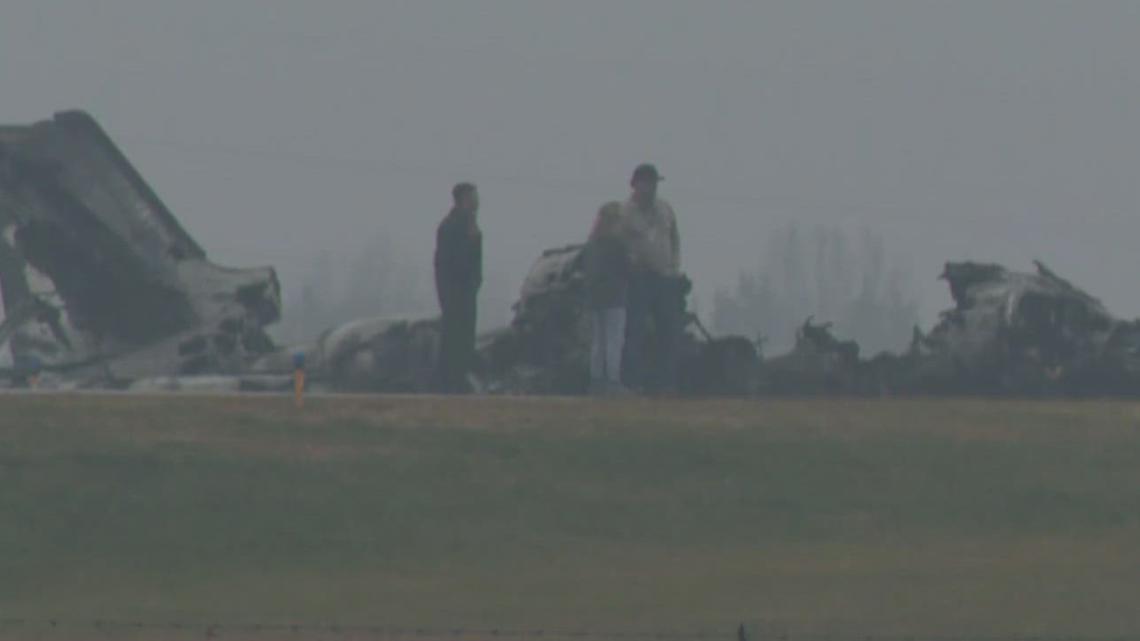
Witnesses describe the aircraft coming in very low, striking obstacles such as poles and tree lines short of the runway, before finally coming to rest near the runway area.
This is far from a routine landing issue; it suggests a desperate attempt to land under rapidly deteriorating conditions where the margin for error vanished.
Weather conditions at the time included drizzle, low clouds, and limited visibility.
While investigators have not concluded that weather caused the crash, these factors are being examined for their potential impact on the approach and decision-making.
The lack of a distress call combined with these conditions fuels speculation, but experts remind us that pilots’ first priority is always flying the plane.
Radio communication often comes second, if time allows.
Moreover, the crew might not have initially classified the situation as an outright emergency.
It could have been a mechanical warning or a performance issue that seemed manageable—until it wasn’t.
The cockpit voice recorder now stands as the key to unlocking these questions.
Investigators will listen intently for any mention of warnings, malfunctions, or confusion, and track the crew’s decision-making process—whether to abort, turn back, or continue the approach.
They will also synchronize this audio with flight data, including speed, altitude, and trajectory, and compare it with eyewitness accounts to build a comprehensive picture of the final moments.
Until this data is fully analyzed and released, speculation remains just that.
The NTSB emphasizes that their role is to reconstruct events, not assign blame prematurely.
Another striking aspect of this case is the emotional weight it carries.
Greg Biffle was more than a driver; he was a respected figure known for his toughness, integrity, and willingness to help others, including using aviation to aid communities affected by storms.
This makes the tragedy feel especially surreal—a man who lived by skill and control lost in a moment where control slipped away.
The passenger’s text message, brief and stark, offers a haunting glimpse into that moment: “emergency landing.”
It implies awareness of a critical change mid-flight but does not reveal the cause.
It neither confirms mechanical failure nor pilot error.
It simply confirms that someone on board believed the situation was urgent enough to demand an immediate return to the ground.
Looking ahead, the investigation will likely proceed with preliminary updates as basic facts are gathered, but the final report may take months or longer, depending on what the cockpit voice recorder and other evidence reveal.
In the meantime, the public and aviation community can watch for new NTSB briefings, progress on cockpit role clarifications, and insights into the approach and impact sequence.
Investigators also welcome any photos or videos from witnesses, as even a single new angle can provide valuable clues beyond what data alone can show.
This case is a reminder that behind every headline lies a complex mosaic of small details, human factors, and critical decisions.
As the story unfolds, the hope is that speculation will give way to facts, and that understanding will bring some measure of closure.
For now, the best approach is patience and respect for the process, and empathy for those affected.
If you’ve been following this story, the latest developments mark a turning point.
The discovery of the cockpit voice recorder and the haunting “emergency landing” text bring new urgency and focus to the investigation.
No conclusions should be drawn prematurely, but the path to answers is clearer than before.